

Addressing deeply personal concerns in cosmetic and functional gynecology requires as much empathetic judgment as surgical skill. That is why Dr. Michael Reed developed IRCG, a three-day immersive training program, to bridge that exact gap.
Drawing on more than two decades as a board-certified OB-GYN, he guides attending physicians through live case observations, hands-on nonsurgical device training, and his complete patient care protocol from first consultation through recovery.
IRCG Restorative & Cosmetic Gynecology Training for Physicians
Training Program at a Glance
IRCG brings physicians together with Dr. Reed to connect clinical instruction with the practical needs of their own practices. The program includes:

Three Days of Training
Observation of Dr. Reed’s cases, hands-on nonsurgical instruction, case discussions, and practice-management guidance.

A Maximum of Three Physicians per Cohort
A small group, so each physician has direct time with Dr. Reed.

Location
Dr. Reed’s practices in Davis and Beverly Hills, California.

Tuition of $25,000
Financing is available for accepted applicants.
*No payment is required to apply.
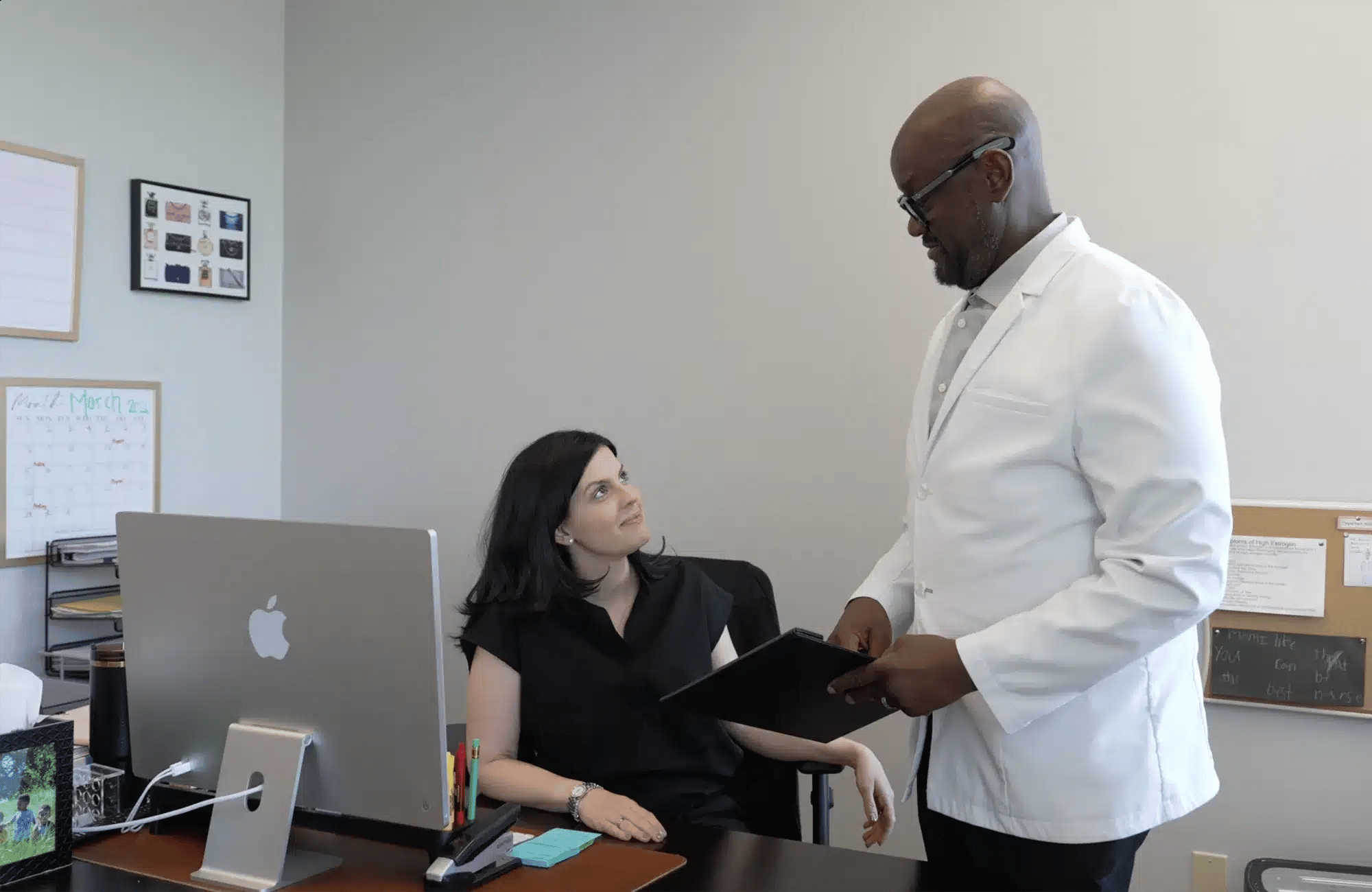
The Principles Behind Dr. Reed’s Training
Dr. Reed plans each procedure around the patient’s anatomy, functional concerns, and aesthetic goals. Throughout the program, he explains the reasoning behind the choices he makes.
Patient safety and tissue preservation guide those decisions. So do clear, honest conversations with patients about their options.
Who Should Consider IRCG?
IRCG is a good fit for physicians who want to add cosmetic and functional gynecology to their practice. It also suits those who already offer these services and want to refine their approach.
Because each cohort is small, applicants go through a qualification process. It helps to make sure the program matches your background and goals.
Inside the IRCG Experience
The three days combine time observing Dr. Reed’s cases with hands-on device training, conversations with postoperative patients, and practical guidance on running this part of a practice. Here’s what each part covers:
Surgical Technique and Functional Anatomy
Instruction focuses on the relationship between technique selection, tissue preservation, and the patient’s anatomy. Topics include:
- Labiaplasty using the sculpted linear technique, clitoral hood refinement, perineoplasty, and vaginoplasty
- Nerve preservation and vascular awareness when planning procedures
- Real-time surgical observation with discussion of clinical reasoning and aesthetic considerations
Nonsurgical and Regenerative Training
This component introduces practical considerations for nonsurgical treatment selection and application. Instruction includes:
- Hands-on training with ThermiVa®, fractional CO₂ laser, and radiofrequency energy devices
- O-Shot® and platelet-rich plasma education
- Discussion of how nonsurgical options relate to treatment goals and recovery planning
Recovery Planning and Follow-Up
Postoperative education considers the patient’s experience alongside clinical assessment. Sessions include:
- Discussion of postoperative care options, including CO₂Lift
- Case discussions with postoperative patients about their recovery experiences
- A pelvic floor specialist session addressing muscular dysfunction that surgery alone may not resolve
Practice Operations and Patient Communication
Good clinical care depends on how the rest of the office works, too. This part of the program covers intake, informed consent, clinical photography, and how to talk with patients about fees and treatment plans.
Building a Modern Practice
Introducing or expanding services requires clear expectations for patients and consistent processes for the team. IRCG’s practice-management instruction addresses how to organize consultations, explain recommendations, and support a private-pay model.
Private-Pay Positioning
Fee discussions should help patients understand their options and the proposed care plan. Training addresses:
- Presenting pricing clearly and confidently
- Discussing combined procedures and explaining the services included
- Using templates and real-world examples to support these conversations
Consultation and Intake
Sensitive concerns call for respectful communication from the first inquiry onward. This portion of training covers:
- Helping clinical and administrative staff respond clearly to patient questions
- Structuring consultations around patient concerns, anatomical assessment, and informed consent
- Organizing clinical photography and visual resources to support discussion and documentation
Resources for Your Practice
IRCG provides practical resources and opportunities for continued professional discussion. These include:
- An IRCG pricing guide and patient-communication framework
- Guidance on surgical suite setup for office-based procedures
- Access to vendor partnerships, recovery protocols, and intake tools
- Ongoing mentorship through the IRCG WhatsApp group
Why Train With Dr. Reed?
Dr. Michael Reed has practiced as a board-certified OB-GYN for more than 20 years. He completed his fellowship in cosmetic gynecology under Dr. Michael Goodman, one of the field’s pioneers. His approach is evidence-based and puts anatomy, patient safety, and tissue preservation first.
Alongside his clinical work, Dr. Reed has held leadership and teaching roles and contributed to the field’s published literature. His experience includes:
- Former Chair of OB/GYN and Pediatrics at CHI Health
- Former residency faculty at Creighton University Medical Center
- Developer of the Reviv Technique for complex labiaplasty revision
- Contributions to Clinics in Plastic Surgery and cosmetic gynecology textbooks
- Presentations at AACS, CACS, ISCG, and The Aesthetic Show
- Physician education across the Middle East, Asia, Latin America, and the Caribbean
At IRCG, he teaches in a small group, pairing surgical observation with hands-on nonsurgical training. Much of the discussion centers on clinical judgment. That includes how he plans treatment, when he uses regenerative options, and how he supports patients through recovery.

Physician Experiences With IRCG
IRCG alumni describe why they chose the program and how it has influenced their work.
[testimonials go here]
The Application Process
Submitting this form is simply the first step and does not require an immediate financial commitment. After we receive your information, our team will contact you for an initial qualification conversation to learn more about your experience, goals, and interest in IRCG.
Qualified applicants will then speak directly with Dr. Reed to discuss the program and determine whether it is the right fit. If accepted, you will receive guidance on enrollment and selecting an available training cohort.

Request Physician Training Information
Fill out the form below with a few details about your background and interest in IRCG. Someone from our team will follow up to answer your questions and walk you through the next steps.